How to Tell If Your Bathroom Fan Is Failing and What to Do About It
Bathroom exhaust fans are the first line of defense against moisture. When they work properly, they pull humid air out of the room before it settles on walls and ceilings. When they don't, the moisture lingers, soaks into drywall and paint, and creates the perfect environment for mold growth. Over time, a failing fan can lead to peeling paint, warped trim, and the kind of ceiling mold that requires professional remediation.
Knowing whether your fan is still doing its job is not always obvious. The fan might spin, make noise, and seem normal, yet move almost no air. Or it might run well for a while and then struggle because of a blocked vent or a worn motor. Learning what to check and how to test performance can save you from bigger problems down the road. If you suspect the fan has been underperforming for weeks or months, it is worth looking closely at the ceiling and walls for any early signs of moisture damage. The team at Mold Removal Boston Pros can assess the extent of hidden moisture and recommend the right fix, whether that involves replacing the fan, repairing the drywall, or treating the affected areas thoroughly.
Why Bathroom Fans Matter for Mold Control
Bathrooms are small spaces that generate a lot of moisture quickly. A hot shower releases steam that raises the humidity level close to 100 percent in minutes. Without a working exhaust fan, that moisture stays in the air and eventually condenses on cooler surfaces like the ceiling, the top of the walls, and the mirror. Condensation on the ceiling is particularly risky because it often goes unnoticed until the paint starts to bubble or dark spots appear.
Ceiling mold remediation becomes necessary when moisture has been allowed to soak into the ceiling material repeatedly. Mold spores are always present in indoor air, but they need moisture and a food source (like the paper facing on drywall) to grow. A bathroom fan that vents to the outside is the most effective way to interrupt that cycle. If the fan is weak, blocked, or simply not powerful enough for the size of the room, the moisture problem will persist even if you run it every time you shower.
Step One: Check the Obvious Signs of Trouble
Before you take any measurements, start with a simple visual and auditory inspection. Stand in the bathroom with the fan running. Listen to the sound. A healthy fan produces a steady, even hum. If you hear rattling, grinding, or a high-pitched squeal, the motor bearings may be failing or the fan blade might be hitting something. These sounds are a strong signal that the fan needs to be cleaned, adjusted, or replaced.
Look at the fan grille. Is it dusty? A thick layer of dust and lint on the grille or inside the vent restricts airflow. Over time, this buildup can reduce performance by 50 percent or more. Hold a piece of toilet paper near the grille while the fan is running. It should stick to the grille easily. If it falls off or barely holds, the fan is not pulling enough air. This is the simplest and most reliable test you can do without any tools.
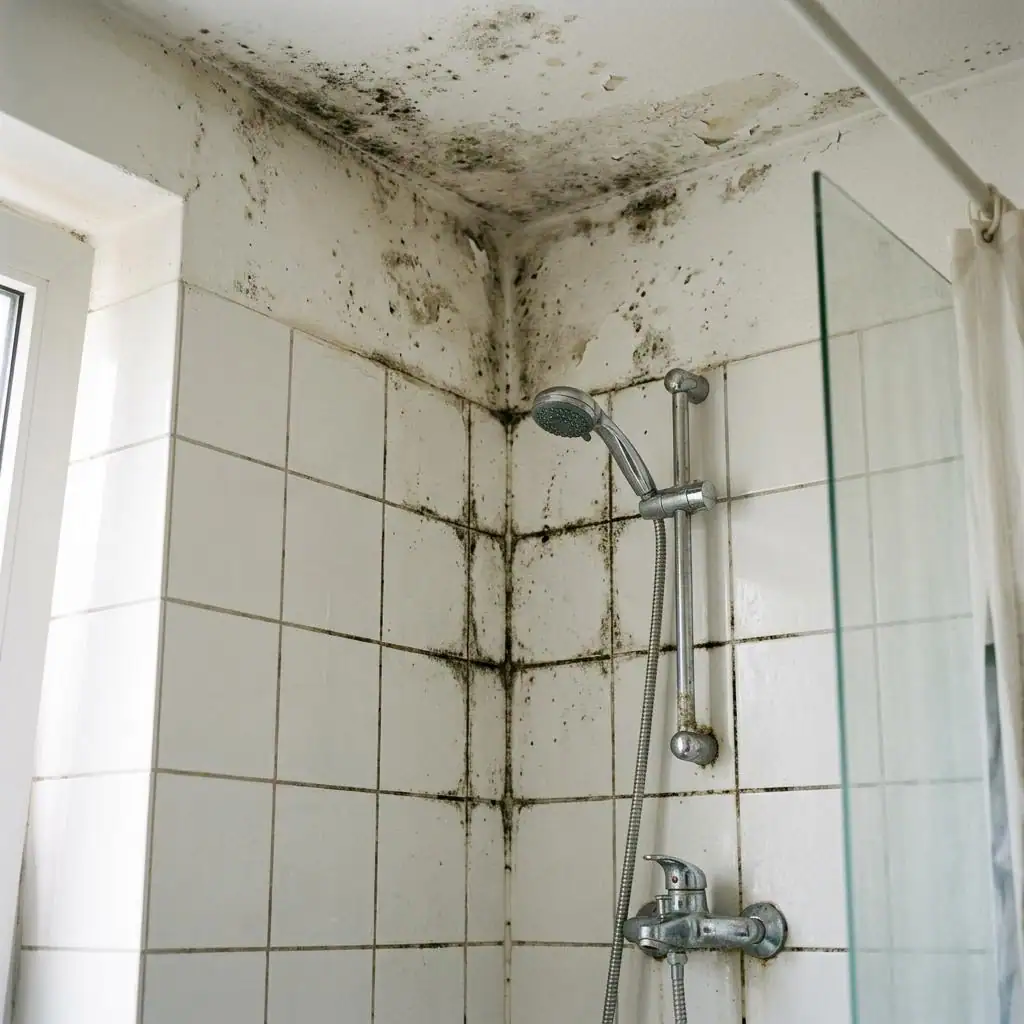
Also look at the ceiling and walls near the fan. Do you see any water stains, peeling paint, or small dark specks? Those are signs that the fan has not been removing moisture effectively. If the ceiling directly above the shower shows discoloration, the fan may be too weak for the space or the ductwork may be clogged.
Step Two: Measure Airflow Performance
The toilet-paper test gives you a quick yes-or-no, but it does not tell you how much air the fan is moving. To get a rough idea of airflow, you can use a simple anemometer or even a smartphone app that measures air speed. Place the sensor or phone near the center of the grille while the fan is on. A typical bathroom exhaust fan should produce an air speed of at least 200 to 300 feet per minute at the grille. Lower readings suggest the fan is underperforming.
Another method is to check the fan's rated cubic feet per minute (CFM) against the size of your bathroom. A general rule is that a bathroom fan should have a CFM rating equal to at least 8 times the square footage of the room. For a 50-square-foot bathroom, that means a fan rated for at least 400 CFM. If your fan is smaller than that, it may struggle to keep up even when it is clean and running well.
Step Three: Inspect the Ductwork and Vent Path
Even a powerful fan will fail if the ductwork is blocked, crushed, or disconnected. Many bathroom fans vent through a flexible plastic or metal duct that runs to an exterior wall or roof vent. Over time, that duct can become crimped by insulation, crushed by stored items in an attic, or disconnected at the fan housing or the vent cap. If the duct is blocked, the fan will make noise but move little air.
To check the duct, turn off the fan and remove the grille. Shine a flashlight into the opening. If you can see daylight or the duct appears clear, that is a good sign. If you see a solid wall of debris, or if the duct is collapsed, you have found the problem. In some cases, birds or rodents build nests inside exterior vents, creating a complete blockage. A quick look from outside the house at the vent cap can confirm this. If the vent cap is covered in lint or spider webs, clean it or replace it.
If the duct is long or has multiple bends, the fan may need more power to push the air all the way out. Long, twisted ducts reduce airflow significantly. In that situation, upgrading to a fan with a higher static pressure rating may be necessary, even if the CFM rating seems adequate.
Step Four: Verify the Fan Is Venting Outside
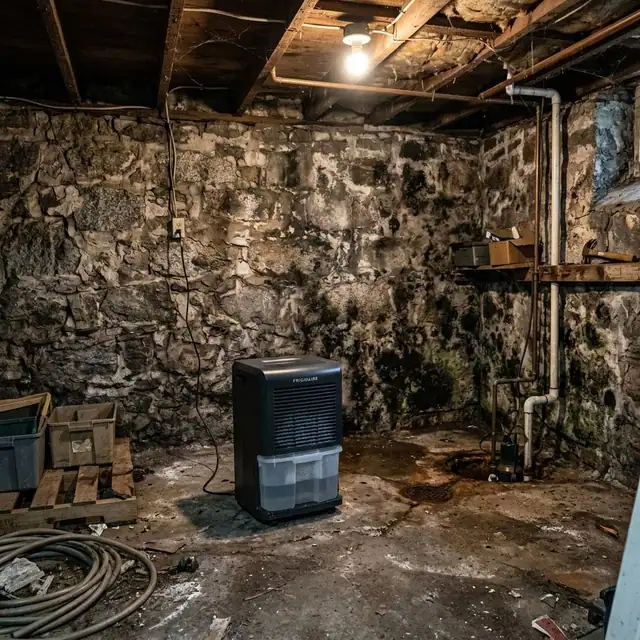
Some bathroom fans are installed improperly and simply recirculate air into the attic or a crawl space instead of venting to the outdoors. This is a serious issue because the moisture-laden air then condenses inside the attic, leading to mold growth on roof sheathing and insulation. The fan may run and sound normal, but the moisture never leaves the building.
To confirm outside venting, go outside while the fan is running. Hold your hand near the vent cap. You should feel warm, humid air being pushed out. If the air is cool or there is no airflow at all, the duct may be disconnected or the fan may be venting into an unintended space. If you cannot access the vent easily, look in the attic. With the fan running, check if you can feel air moving near the duct termination. If the duct ends in the attic without a connection to the outside, that is a defect that requires immediate correction.
If you discover that your fan has been venting into the attic for months, the attic itself may already have mold growth. In that case, addressing both the fan and the affected areas is critical. Mold Removal Boston Pros can handle the full scope of the problem, from fixing the ventilation to cleaning and treating the attic and bathroom ceiling.
Step Five: Evaluate the Fan's Age and Condition
Bathroom exhaust fans typically last between 10 and 15 years, depending on how often they are used and how well they are maintained. If your fan is older than that, it may still run but at a much lower efficiency. Motors lose torque over time, bearings dry out, and blades accumulate dust that throws them off balance. Replacing an old fan with a modern, energy-efficient model often improves airflow dramatically and reduces noise.
Look for signs of rust or corrosion on the fan housing and blade. Bathrooms are humid environments, and metal parts can degrade faster than expected. If the fan has rust spots, it may be only a matter of time before the motor fails completely. A replacement fan is relatively inexpensive compared to the cost of ceiling mold remediation later.
Also check the fan's electrical connection. If the fan runs intermittently or seems to lose power, the wiring may be loose or the switch may be failing. This can be a fire hazard as well as a ventilation problem. If you are not comfortable working with electrical components, hire a licensed electrician or a handyman experienced with bathroom fans.
When to Call a Professional
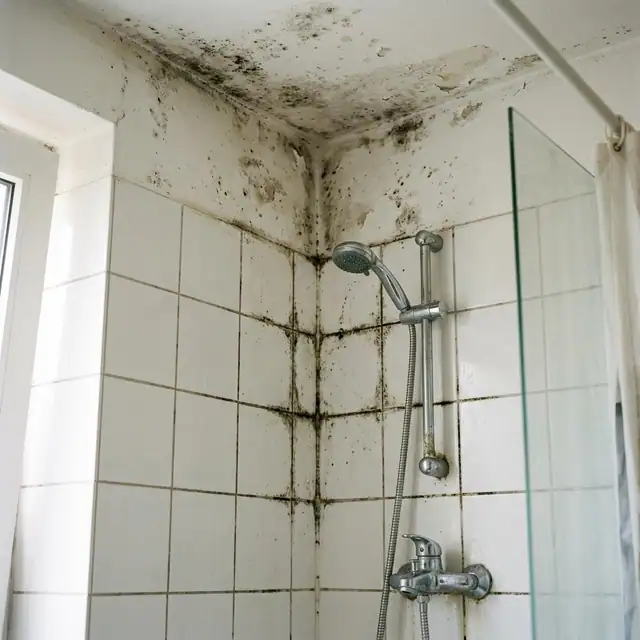
If you have gone through these steps and the fan still seems inadequate, or if you already see mold on the ceiling, it is time to bring in experts. Ceiling mold remediation is not a simple cleaning job. Mold can penetrate deep into drywall and wood, and disturbing it without proper containment can spread spores throughout the house. A company like Mold Removal Boston Pros can test the area, identify the type of mold, and remove it safely while also addressing the underlying moisture source.
Sometimes the fan itself is not the only problem. The bathroom may need a larger fan, a second fan, or a different type of ventilation such as a humidity-sensing fan that runs automatically when moisture levels rise. A professional can evaluate the room size, ductwork, and usage patterns and recommend the right solution.
The bottom line: a bathroom exhaust fan that works properly is your best tool for preventing ceiling mold. If your fan fails the toilet-paper test, sounds wrong, or vents into the attic, do not ignore it. Replacing or repairing it now is far simpler and less expensive than dealing with mold damage later. And if you already see signs of mold, act quickly. Mold spreads faster than most people realize, and what starts as a small spot can become a full remediation project within weeks.